Unlock Your Brain's Potential with Healthy Fats
Discover how omega-3s, monounsaturated fats, and other brain-boosting nutrients enhance focus, memory, and cognitive performance through science-backed nutrition.
Why Brain Health Starts with the Right Fats
Your brain is composed of roughly 60% fat. This isn't just structural—dietary fats are essential building blocks for brain cell membranes, myelin sheaths, and neurotransmitter production. Without adequate healthy fats, cognitive function suffers.
Vitalityplate guides you through the science of nutritional fat composition and how to select foods that support neural plasticity, energy production, and long-term cognitive vitality.
Whether you're interested in memory enhancement, mental clarity, or preventing age-related cognitive decline, understanding healthy fat sources is the foundation of every brain-supportive eating pattern.
How Healthy Fats Support Brain Function
Memory Enhancement
Omega-3 fatty acids (DHA) are crucial for hippocampal function, the brain region responsible for memory formation and recall. Regular consumption supports both short-term and long-term memory capacity.
Mental Clarity
Monounsaturated fats and medium-chain triglycerides provide stable glucose energy to brain cells, reducing brain fog and supporting sustained focus throughout the day.
Neuroprotection
Polyphenol-rich fats and antioxidant compounds protect neural tissue from oxidative stress, supporting cognitive longevity and age-appropriate brain function.
Energy Production
Fats are fuel sources for mitochondria, the brain's energy factories. Ketone bodies produced from fat metabolism offer efficient, sustained brain energy.
Neural Connectivity
Healthy fats support synaptic plasticity—the ability of neurons to form new connections—essential for learning, adaptation, and creative thinking.
Mood Support
Omega-3s regulate neurotransmitters including serotonin and dopamine, influencing emotional balance and cognitive resilience under stress.
Essential Healthy Fat Sources for Brain Health
Fatty Fish
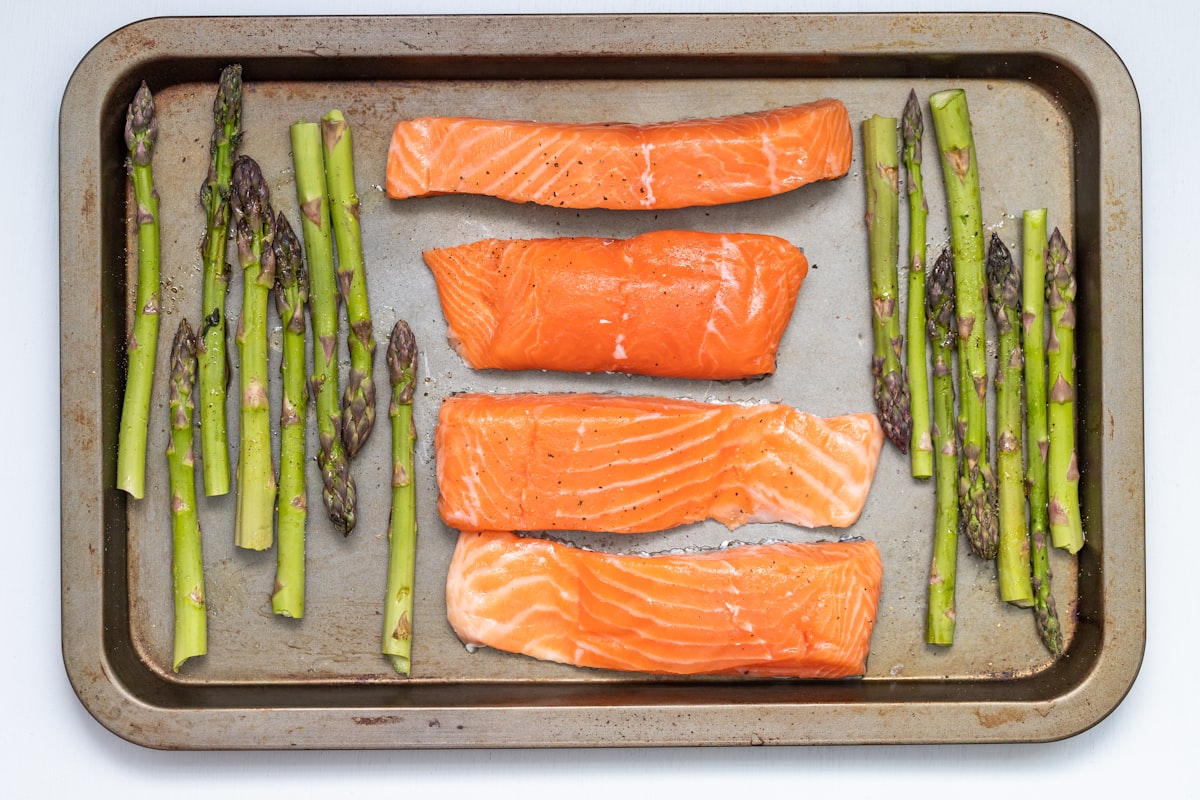
Salmon, sardines, mackerel, and trout are rich in EPA and DHA omega-3 fatty acids—the most bioavailable forms for brain tissue incorporation.
- DHA supports neuronal structure
- EPA reduces neural inflammation
- Recommended 2–3 servings weekly
Avocados
Packed with monounsaturated fats, potassium, and B vitamins, avocados support cerebral blood flow and nutrient delivery to brain tissue.
- Improves vascular function
- Contains lutein for brain protection
- Half avocado daily is beneficial
Nuts and Seeds
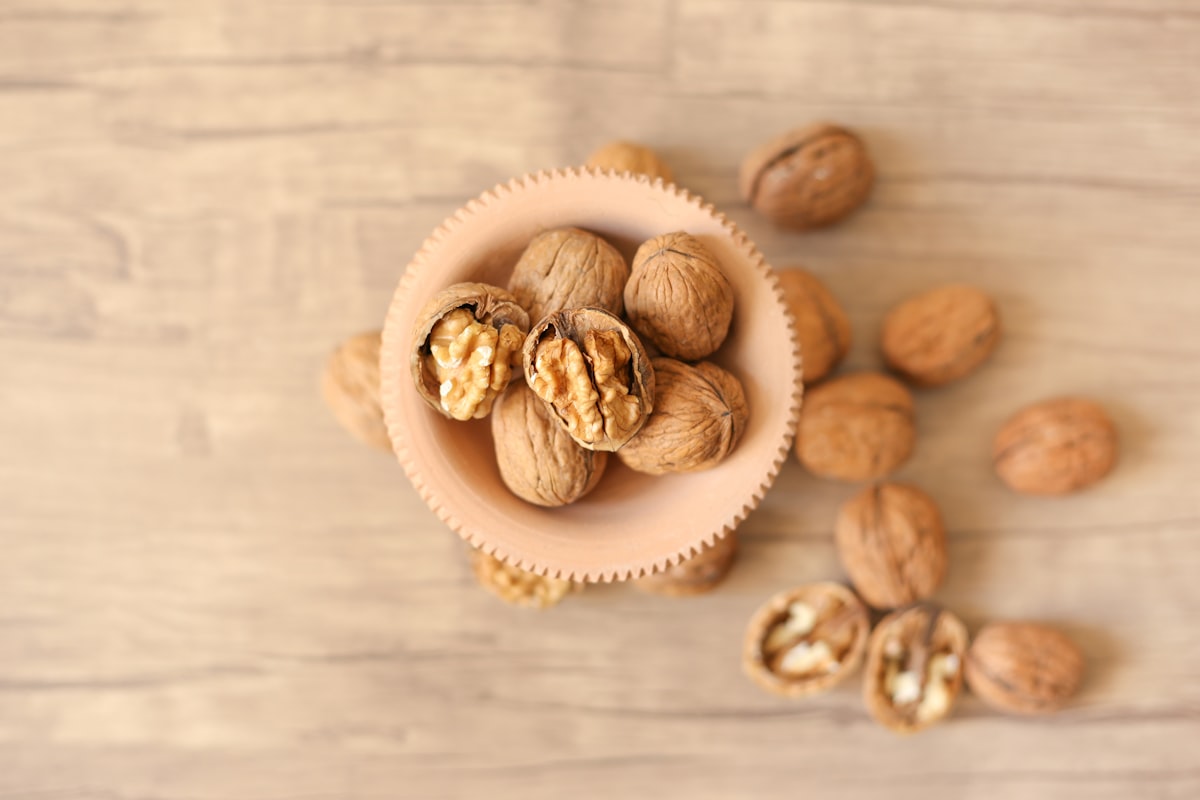
Almonds, walnuts, flaxseeds, and chia seeds deliver plant-based omega-3s, vitamin E, and polyphenols that protect neural cells.
- ALA converts to brain-active DHA
- Antioxidants prevent cell damage
- Handful daily supports cognition
Olive Oil
Extra virgin olive oil contains oleocanthal, a polyphenol that supports memory and may protect against cognitive decline through anti-inflammatory action.
- Reduces neuroinflammation markers
- Supports tau protein clearance
- Use raw or low-heat cooking
Eggs
Egg yolks are rich in choline, a precursor to acetylcholine, the neurotransmitter essential for memory formation and attention.
- Choline supports memory processes
- Lutein and zeaxanthin for vision
- 6–7 eggs per week recommended
Dark Chocolate
Cocoa butter and cocoa solids deliver flavonoids and polyphenols that enhance cerebral blood flow and support neurocognitive performance.
- Improves blood vessel function
- Mood-boosting phenylethylamine
- 70% cocoa or higher ideal
How Healthy Fats Optimize Brain Function: Step-by-Step
Absorption and Transport
When you consume healthy fats, they are broken down in the digestive tract and packaged into lipoproteins. These carriers transport fat-soluble nutrients—including omega-3s, fat-soluble vitamins, and antioxidants—through the bloodstream to the brain tissue.
Cell Membrane Integration
Polyunsaturated fats (especially DHA) integrate into neuronal cell membranes, enhancing membrane fluidity. This improves cell-to-cell communication, ion channel function, and receptor signalling—critical for learning and memory formation.
Neurotransmitter Synthesis
Healthy fats provide substrates for synthesizing acetylcholine, serotonin, dopamine, and GABA. Omega-3s regulate these neurotransmitters through gene expression and enzyme activity, directly influencing mood, focus, and emotional resilience.
Energy and Mitochondrial Function
Fats are oxidised in brain cell mitochondria to produce ATP (cellular energy). During periods of low carbohydrate availability, the brain can efficiently use ketones derived from fat metabolism—a stable, high-quality fuel that many people report sharpens cognitive clarity.
Anti-inflammatory Protection
Omega-3 fatty acids and polyphenol-rich fats (from olive oil, nuts) have anti-inflammatory effects, reducing pro-inflammatory cytokines in the brain. Chronic inflammation is linked to cognitive decline, so dietary fats help maintain neural health long-term.
Neuroplasticity and Learning
Adequate dietary fat supports BDNF (brain-derived neurotrophic factor) production, the molecule responsible for synaptic plasticity. This means your brain can form new neural pathways more efficiently—the foundation of learning, memory consolidation, and skill development.
Why Choose Vitalityplate for Brain Health Guidance
Evidence-Based Content
Every article and guide is grounded in peer-reviewed research and current nutritional science. We simplify complex neurobiology into practical, actionable insights.
UK-Focused Guidance
Our editorial team understands UK food availability, cultural preferences, and nutritional guidelines. Recommendations are practical for your local context.
Individualised Approaches
We acknowledge that every person's nutritional needs are different. Articles explore how dietary preferences, allergies, and lifestyle factors shape optimal fat intake.
Transparent Sources
We cite scientific literature and clearly indicate the strength of evidence. You'll always know where our recommendations come from.
What Our Readers Say
"Vitalityplate's guide on omega-3s completely changed how I approach my diet. I've noticed genuine improvements in my focus and mental clarity within weeks. The explanations are clear, backed by solid science, and refreshingly free of hype. Highly recommend for anyone serious about brain health."
Sarah Mitchell
Manchester, UK
"As someone over 60, cognitive decline is a real concern. Vitalityplate's content gave me a roadmap to incorporate brain-protective fats into my meals without overthinking it. I appreciate the emphasis on sustainable, realistic eating patterns rather than extreme protocols."
Michael Chen
Bristol, UK
"I'm a vegan and was concerned about getting enough omega-3s from plants. Vitalityplate's comparison of plant-based and animal-based fat sources was invaluable. They're respectful of different diets and gave me confidence in my choices. Exactly what I needed."
Emma Rodriguez
London, UK
"Used Vitalityplate's framework to optimise my diet for studying. The way they explain mitochondrial function and brain energy was enlightening. My concentration during long study sessions has genuinely improved. Brilliant resource for students and professionals alike."
James Patel
Edinburgh, UK
Frequently Asked Questions
General guidelines suggest 25–35% of daily calories from fat, with emphasis on polyunsaturated and monounsaturated sources. For a 2,000-calorie diet, this is roughly 55–78 grams of fat daily. However, individual needs vary based on activity level, age, and existing diet. The key is prioritising fat quality over quantity. Aim for at least 250–500mg EPA/DHA daily from fatty fish or algae sources, and include monounsaturated fats from olive oil, avocados, and nuts regularly.
Both omega-3 and omega-6 are essential polyunsaturated fats, but they serve different roles. Omega-3 (EPA, DHA, ALA) has predominantly anti-inflammatory effects and is crucial for brain structure and neurotransmitter regulation. Omega-6 (linoleic acid, arachidonic acid) is pro-inflammatory in excess but necessary in balance. The modern diet tends toward too much omega-6 and too little omega-3, creating an unfavourable ratio. Ideally, aim for a 2:1 to 3:1 omega-6 to omega-3 ratio by eating fatty fish, flaxseeds, and walnuts while reducing refined seed oils.
Yes, but with caveats. Plant sources like flaxseeds, chia seeds, and walnuts contain ALA (alpha-linolenic acid), which can convert to EPA and DHA in the body—but conversion rates are typically only 5–10%. To maximise plant-based omega-3 availability, consume these foods regularly and in adequate amounts. Consider algae-based omega-3 supplements derived from the same microalgae that fish consume, offering direct EPA/DHA without animal products. This is a practical solution many plant-based individuals use to bridge the nutrient gap.
The relationship between saturated fat and brain health is nuanced. While excessive saturated fat intake (particularly from processed sources) may increase cardiovascular disease risk, some saturated fats—like those in coconut oil and grass-fed butter—have been studied for cognitive benefits. The brain actually uses cholesterol and some saturated fatty acids for myelin formation. The emphasis should be on moderation and fat quality: choose sources like grass-fed meat, eggs, and organic coconut oil, and balance these with abundant unsaturated fat intake from fish, olive oil, and nuts.
Individual responses vary significantly. Some people report improved focus and mental clarity within 2–4 weeks of optimising fat intake, particularly if they were previously deficient in omega-3s. Others may need 8–12 weeks for noticeable changes in memory and sustained attention. Long-term neuroprotective benefits—like reduced cognitive decline risk—develop over months and years. Keep a simple journal of energy levels, focus quality, and mood to track subtle improvements. Consistency matters more than speed; sustainable dietary changes deliver cumulative brain health benefits over time.
Whole food sources are ideal because they deliver omega-3s alongside other nutrients—fibre, minerals, and phytonutrients—that support overall brain health. Eating fatty fish 2–3 times weekly is an excellent target. However, if fish consumption is limited due to dietary preferences, availability, or budget, high-quality omega-3 supplements can bridge the gap. Look for third-party tested products with clear EPA/DHA labelling. Plant-based alternatives include algae supplements. The best approach combines both: aim for regular food sources and use supplements to meet your specific goals when needed.
Stay Updated with Brain Health Insights
Subscribe to our newsletter for the latest articles, research summaries, and practical nutrition tips delivered to your inbox.
We respect your privacy. Unsubscribe at any time.
Ready to Optimise Your Brain Health?
Explore our comprehensive guides, practical meal planning resources, and science-backed articles on healthy fats and cognitive performance.
Quick Contact
Frequently Asked Questions
Find answers to common questions about Vitalityplate and our healthy meal solutions.
What makes Vitalityplate different?
Are your meals customizable?
How do healthy fats support brain health?
What is your shipping and delivery policy?
Can I pause or cancel my subscription?
Start Your Vitality Journey Today
Join thousands of customers who've transformed their health with nutrient-rich meals designed for peak performance.